(423) 470-6017 Call or text

My Buddy Lawn Care LLC
Where we work Elizabethton, TN and nearby
Google reviews Local five-star work
Lawn care tips · Thatch
The easiest way to dethatch your lawn starts with knowing whether you need to, picking the right season, and helping the turf recover afterward.
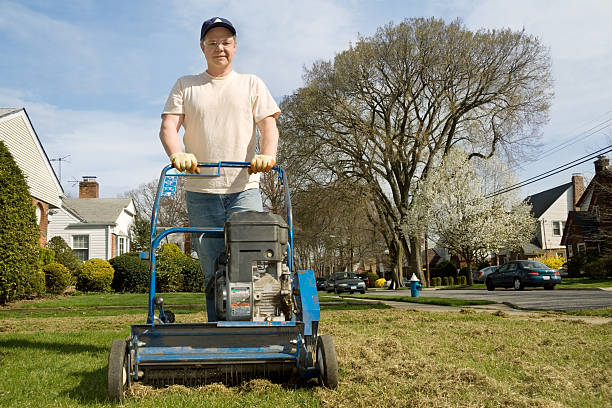
Thatch is one of those lawn problems that hides in plain sight. Your grass may look thin, dry, patchy, or weak even though you are watering, mowing, and fertilizing. In many cases, the issue is not the grass itself. It is the thick layer of dead stems, roots, and organic debris sitting between the soil and the green blades.
A little thatch is normal. Too much thatch blocks water, nutrients, air, and fertilizer from reaching the roots. When that happens, your lawn starts struggling.
Here is how to know when your lawn needs dethatching, the best time to do it, and how to dethatch your lawn the right way.
Dethatching is the process of removing the dense layer of dead grass, roots, stems, and organic material that builds up between the soil surface and the living grass.
This layer is called thatch.
A thin layer of thatch can actually help protect the lawn by holding moisture and insulating the soil. The problem starts when thatch gets too thick. Once it reaches about ½ inch or more, it can prevent your lawn from getting what it needs to grow properly.
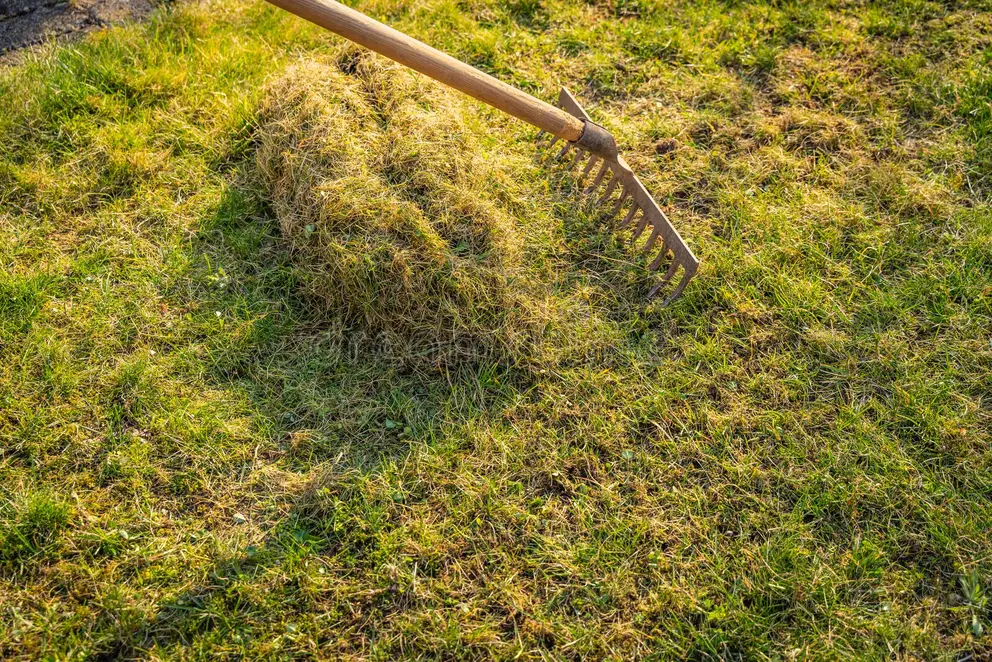
The easiest way to check is to cut out a small wedge of grass and soil with a shovel or garden knife. Look at the layer between the green grass and the soil.
Your lawn may need dethatching if:
Do not dethatch just because your lawn has a few brown spots. First, confirm that thick thatch is actually the problem.
The best time to dethatch depends on your grass type. You want to dethatch when the lawn is actively growing so it can recover quickly.
For cool-season grasses like fescue, Kentucky bluegrass, and ryegrass, dethatch in early fall or early spring. Fall is usually best because the lawn has cooler weather, better moisture, and less weed pressure.
For warm-season grasses like Bermuda, zoysia, centipede, and St. Augustine, dethatch in late spring through early summer after the grass has fully greened up and started growing strong.
Avoid dethatching during drought, extreme heat, winter dormancy, or when the lawn is already stressed.
The right tool depends on the size of your yard and how thick the thatch layer is.
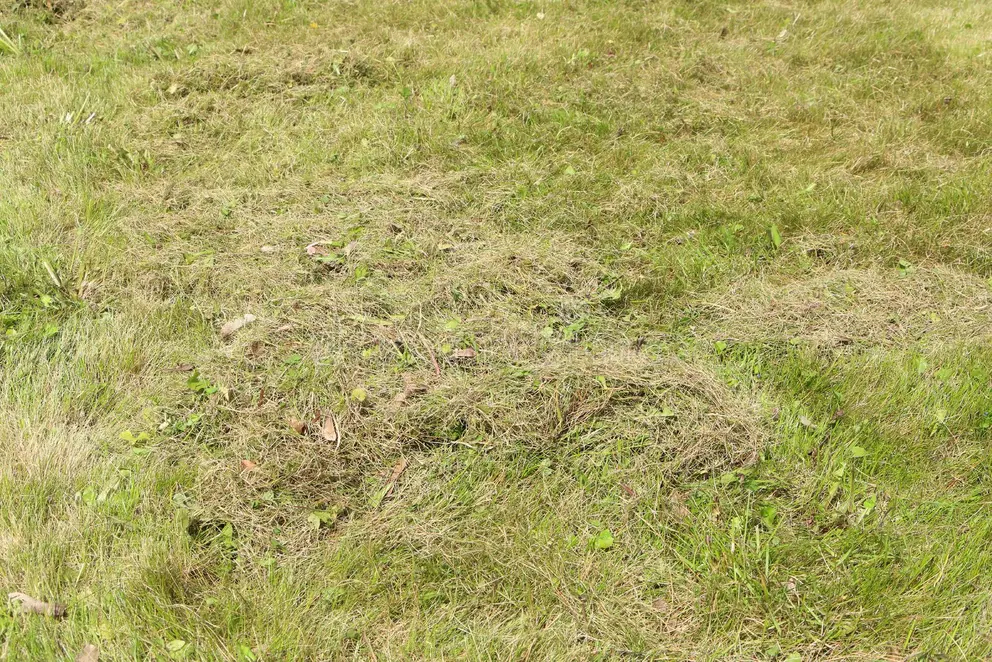
Before dethatching, mow your grass slightly shorter than normal. Do not scalp it down to dirt, but lower the mowing height enough so the dethatching tool can reach the thatch layer more easily.
Bag or remove the clippings before you start.
The soil should be slightly moist, not soaked. Dry soil makes dethatching harder and more stressful on the grass. Wet soil can cause tearing, ruts, and unnecessary damage.
A light watering the day before usually gives you the right conditions.
Run your dethatching rake or machine across the lawn in straight passes. Start with one direction first.
If you are using a power dethatcher, set it high at first. You want to pull up thatch, not rip the lawn apart.
If the lawn has heavy thatch, make a second pass at a 90-degree angle to the first pass. This helps remove more material evenly.
Do not overdo it. Dethatching is naturally rough on a lawn. The goal is to remove the excess thatch, not punish the grass.
After dethatching, your lawn may look messy. That is normal.
Rake up and remove the loose thatch sitting on top of the grass. You can bag it, compost it if it is disease-free, or dispose of it with yard waste.
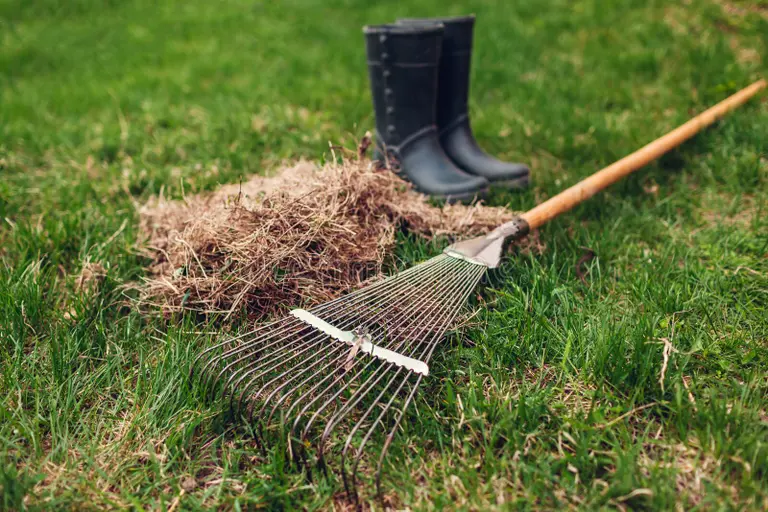
Dethatching opens up the lawn canopy, which makes it a great time to overseed thin or bare spots.
Choose a grass seed that matches your existing lawn and climate. Spread it evenly, then lightly rake it into the soil surface.
After dethatching, give the lawn what it needs to recover. Apply a balanced lawn fertilizer and water deeply.
Keep the soil consistently moist if you overseeded. Do not let the seed dry out during germination.
Your lawn may look worse before it looks better. That is normal.
Dethatching pulls up dead material and can leave the grass looking rough for a week or two. With proper watering, fertilizing, and mowing, the lawn should begin filling back in as it recovers.
If you dethatch at the right time of year, the grass can bounce back thicker, greener, and healthier.
No. Most lawns do not need dethatching every year.
Dethatching too often can damage healthy turf and weaken the lawn. Instead, check the thatch layer once or twice a year. Only dethatch when the layer becomes too thick.
Some lawns build thatch faster than others, especially lawns with aggressive spreading grasses, heavy fertilizer use, compacted soil, poor microbial activity, or frequent shallow watering.
Dethatching and aerating are not the same thing.
If your lawn has thick thatch, dethatch. If your soil is compacted, aerate. In many cases, lawns benefit from both, but you should avoid doing too much at once if the grass is stressed.
Dethatching your lawn can make a major difference when thatch buildup is blocking water, fertilizer, and oxygen from reaching the roots. The key is timing it correctly, using the right tool, and helping the lawn recover afterward.
Check the thatch layer first. If it is more than ½ inch thick, dethatching may be exactly what your lawn needs to grow thicker and healthier.
Also read: More lawn care tips
My Buddy Lawn Care serves Elizabethton and nearby with mowing, landscaping, and shrub trimming on regular routes. Request a quote or call for a straight answer on timing.