(423) 470-6017 Call or text

My Buddy Lawn Care LLC
Where we work Elizabethton, TN and nearby
Google reviews Local five-star work
Lawn care tips · Color & health
Deep green turf comes from steady habits, not one magic product. Mowing, water, feeding, and timing work together.
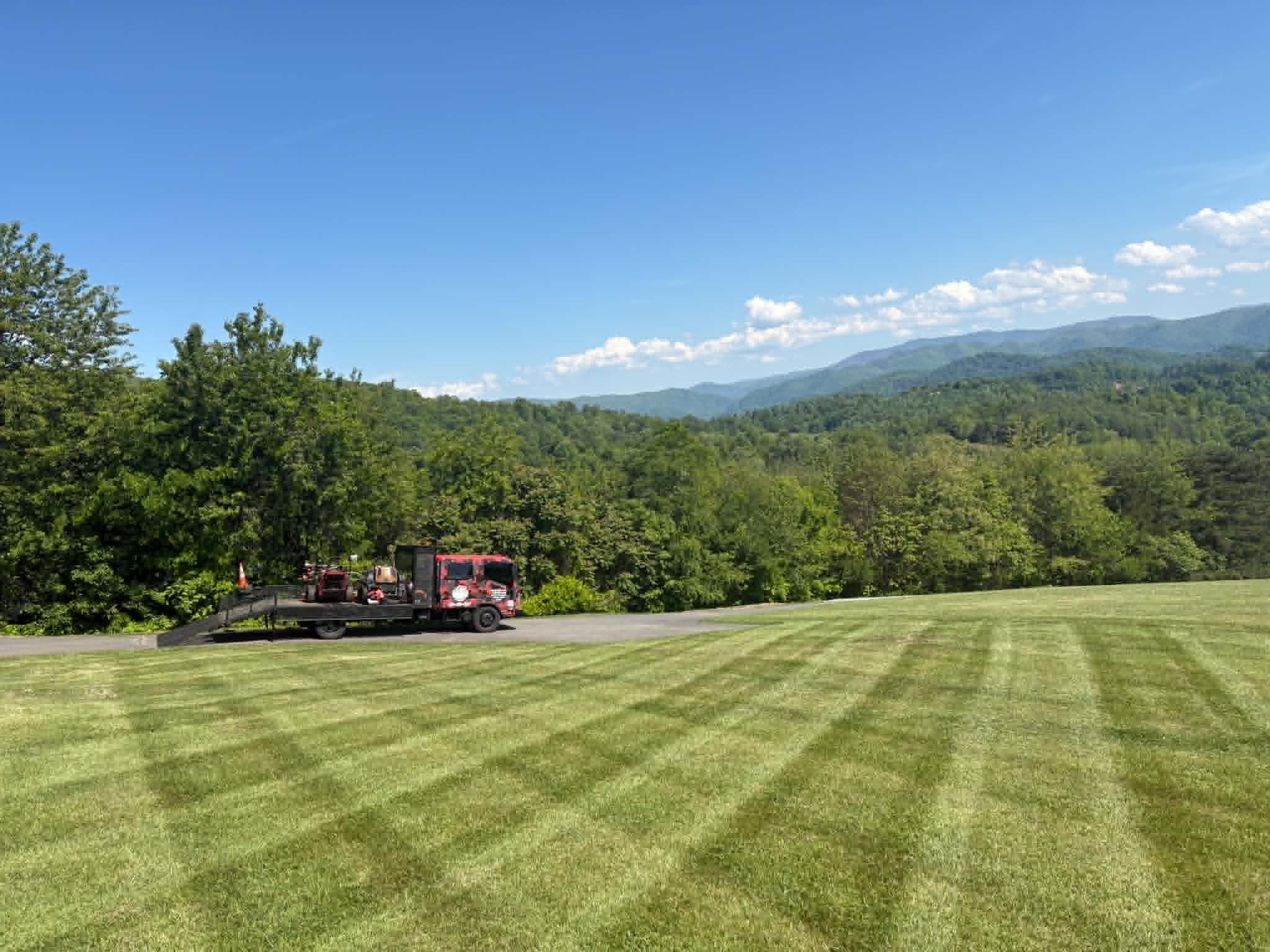
Everyone wants the greenest grass on the street, but color fades fast when the basics slip. Brown patches, pale green blades, and thin turf usually trace back to mowing height, water, food, or timing, not a missing bag of quick green spray.
The good news: a deep green lawn is repeatable. You do not need a complicated program. You need the right habits for your grass type and your climate, then stick with them through the growing season.
Here is how to build greener grass step by step, from the mower deck to the fertilizer bag.
Cool-season lawns (fescue, Kentucky bluegrass, ryegrass) peak in spring and fall. Warm-season lawns (Bermuda, zoysia, centipede, St. Augustine) hit their stride in summer. The greenest grass plan follows the grass, not the calendar on a national bag label.
In eastern Tennessee, many yards are cool-season mixes with sunny spots that behave more like warm-season turf. Watch which areas green up first in spring and which stay thick through July heat. That tells you where to adjust water and feeding.
Mowing is the most frequent job on any lawn, and it has the biggest impact on color. Scalping exposes soil, dries out roots, and invites weeds. Letting grass get too tall before a harsh cut shocks the plant and dulls the blade color.
Mow on a steady schedule in the growing season. Weekly is common for fast-growing cool-season turf in spring. In summer slowdowns, stretch to 10 days if growth allows without breaking the one-third rule.
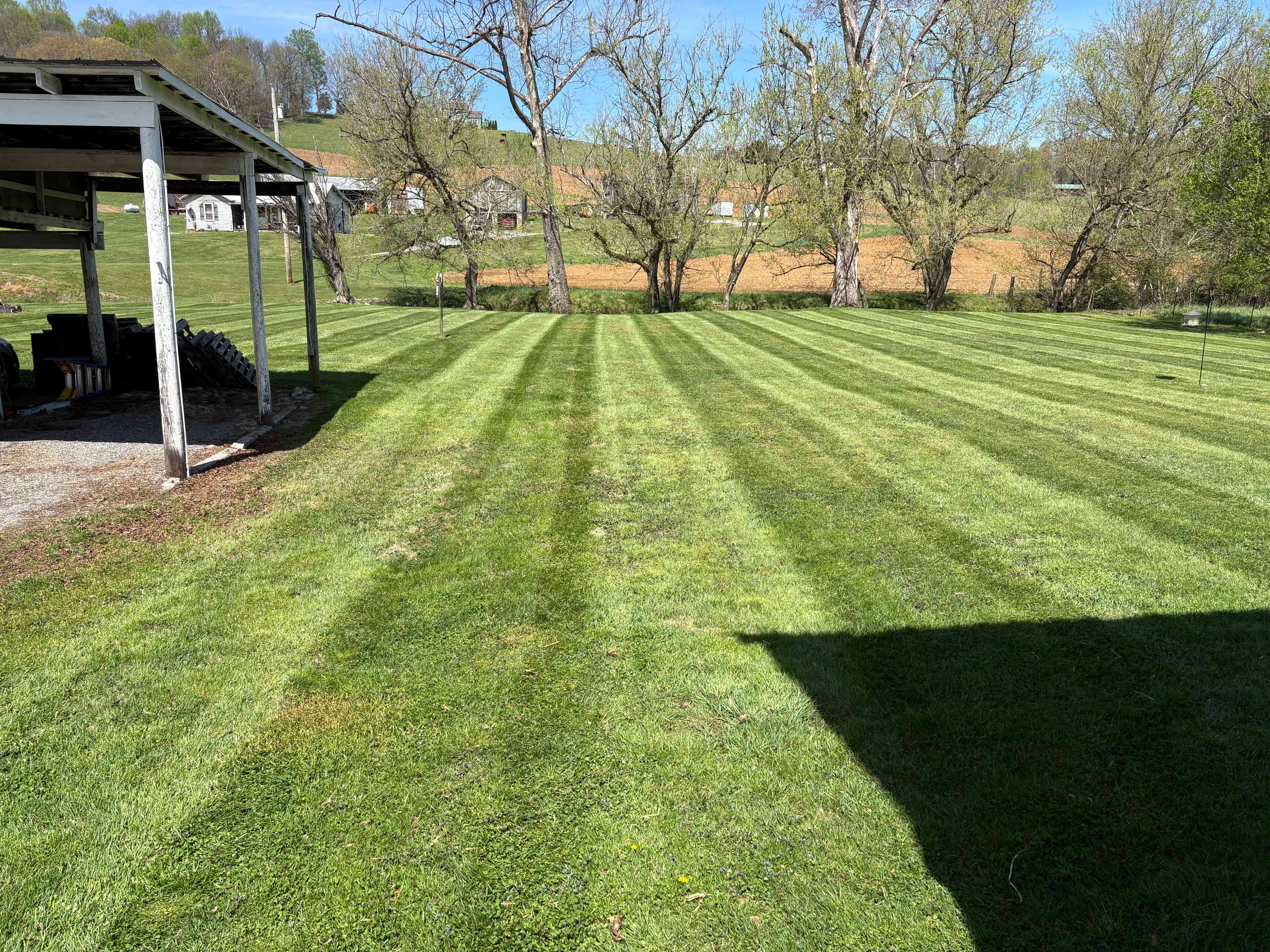
Light daily sprinkles grow shallow roots. Shallow roots mean pale, weak grass the first time the weather turns hot or dry. Deep, infrequent watering trains roots to chase moisture lower in the soil.
If footprints stay visible on the lawn long after you walk across it, the turf is thirsty. If water pools or runs off hard-packed areas, look at compaction or thick thatch before you add more minutes to the timer.
Nitrogen drives green color. Too much at once burns grass; too little leaves it hungry and pale. A balanced program matches your grass type and local growing season.
Use slow-release products when possible. They feed evenly and reduce surge growth that demands extra mowing. Always sweep fertilizer off hard surfaces so it does not wash into storm drains.
A soil test every few years beats guessing. It shows pH, phosphorus, and potassium needs so you are not dumping nitrogen on a lawn that needs lime or other corrections.
Even perfect mowing and watering stall when the soil cannot hold nutrients or air. Compacted clay, thick thatch, and low pH are common reasons fertilizer seems to do nothing.
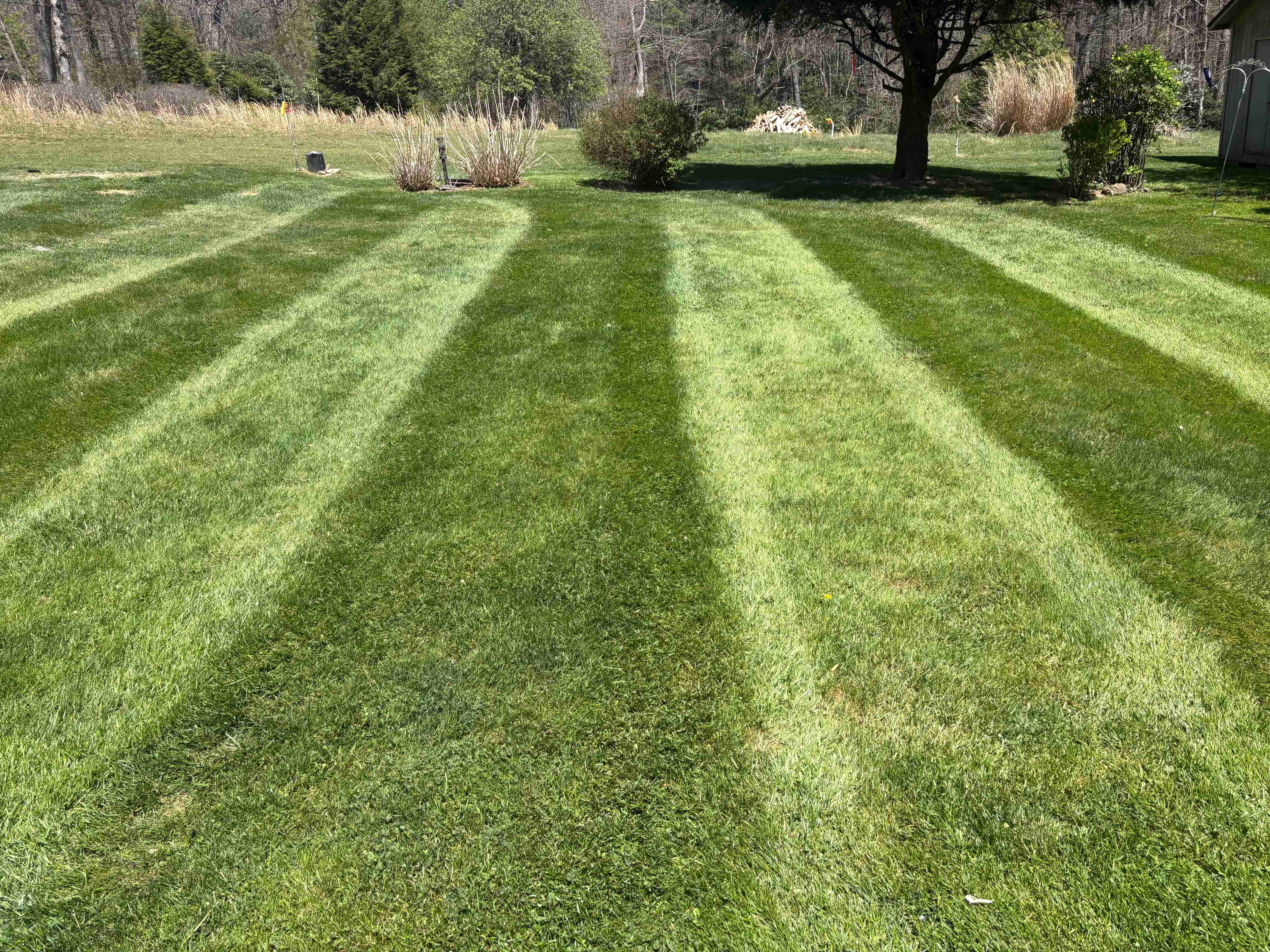
Rake debris, sharpen mower blades, and ease into feeding after steady growth returns. Overseed thin cool-season areas in early spring or fall, not both unless you have a plan for water and weeds.
Raise mowing height slightly during heat. Water deeply and less often. Spot-treat weeds instead of blasting the whole lawn with herbicide on the hottest week of the year.
For cool-season grass, fall is prime time: aerate if needed, fertilize for root growth, and overseed bare patches. Leaf cleanup matters too. Mats of leaves block sun and invite disease.
Stay off frozen or soggy turf when possible. Service equipment and line up spring soil tests so you are ready when growth returns.
Greener grass is usually boring work done well: sharp blades, correct height, deep water, timed feeding, and soil fixes when tests say you need them.
The greenest grass on your block is not luck. It is a lawn that gets the right cut, enough water in the right places, feed at the right time of year, and soil that can actually use what you apply.
Start with one change you can keep: mowing height, a morning watering routine, or a fall fertilizer plan for cool-season turf. Add soil work only when tests or thatch checks show you need it.
Related: How to dethatch your lawn · More lawn care tips
My Buddy Lawn Care keeps Elizabethton and nearby yards on route with steady mowing and clean edges. Tell us about your lot and we will give you a straight answer on fit and timing.