Compaction relief
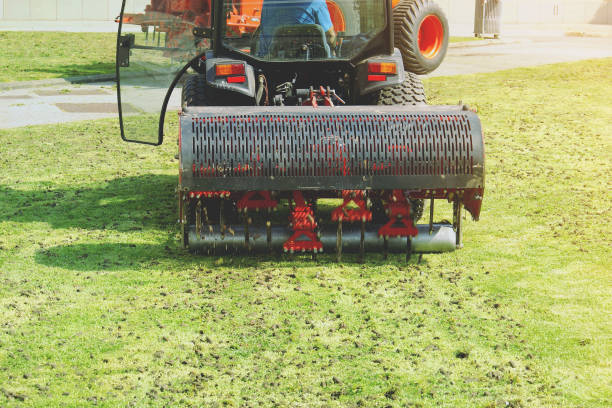
Hard, packed soil is opened so roots can spread instead of staying trapped near the surface.

Free quote
Tell us if the lawn feels hard underfoot, stays thin in high-traffic areas, or has not been aerated in several years.
Call or text (423) 470-6017Relieve compaction
When soil gets packed down from mowing, foot traffic, and wet weather, roots stay shallow and water runs off instead of soaking in. The lawn may look tired even when you are watering and mowing on schedule.
My Buddy Lawn Care LLC uses core aeration to pull small plugs from the turf, break up compaction, and give roots room to grow deeper. It pairs well with grass seeding and weed control when thin areas need more than one pass to recover.
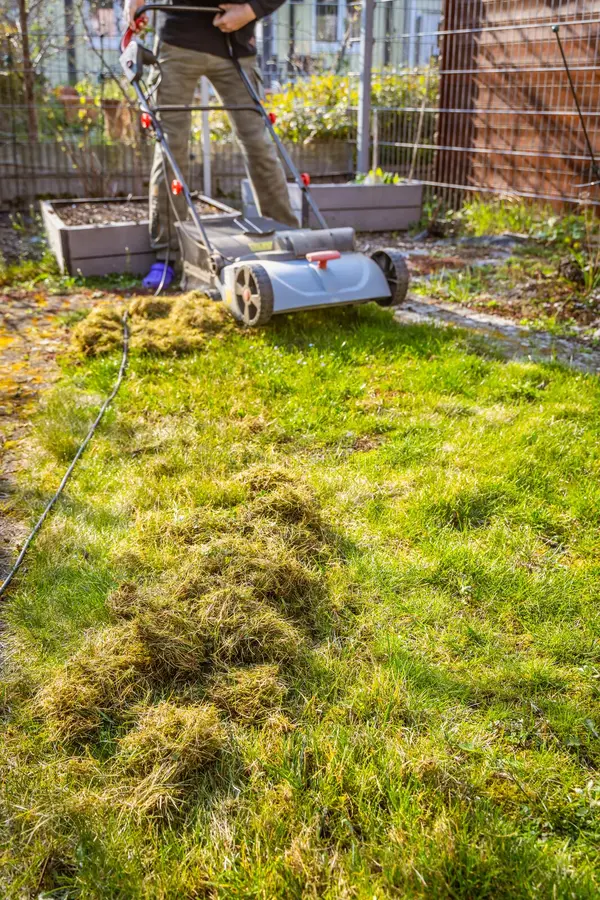
This is a mechanical service focused on soil health, not a chemical treatment.
Hard, packed soil is opened so roots can spread instead of staying trapped near the surface.
Rain and irrigation soak in more evenly instead of running off hard spots and low areas.
Aeration helps break up dense thatch layers that block air and water from reaching the soil.
Open channels give fertilizer and oxygen a path to the roots that actually need them.
Paths, play areas, and driveway edges often compact first. Aeration targets those worn-down zones.
Aeration before overseeding improves seed-to-soil contact so new grass has a better chance to take hold.
Carter County yards see a mix of clay, slope, shade, and long driveways. Compaction shows up as thin grass along routes, puddling after rain, and turf that never greens up no matter how much you water.
Fall is often the best aeration window here because the soil is still warm enough for recovery and summer stress has passed. Spring aeration can work too, especially ahead of maintenance or seasonal cleanup.
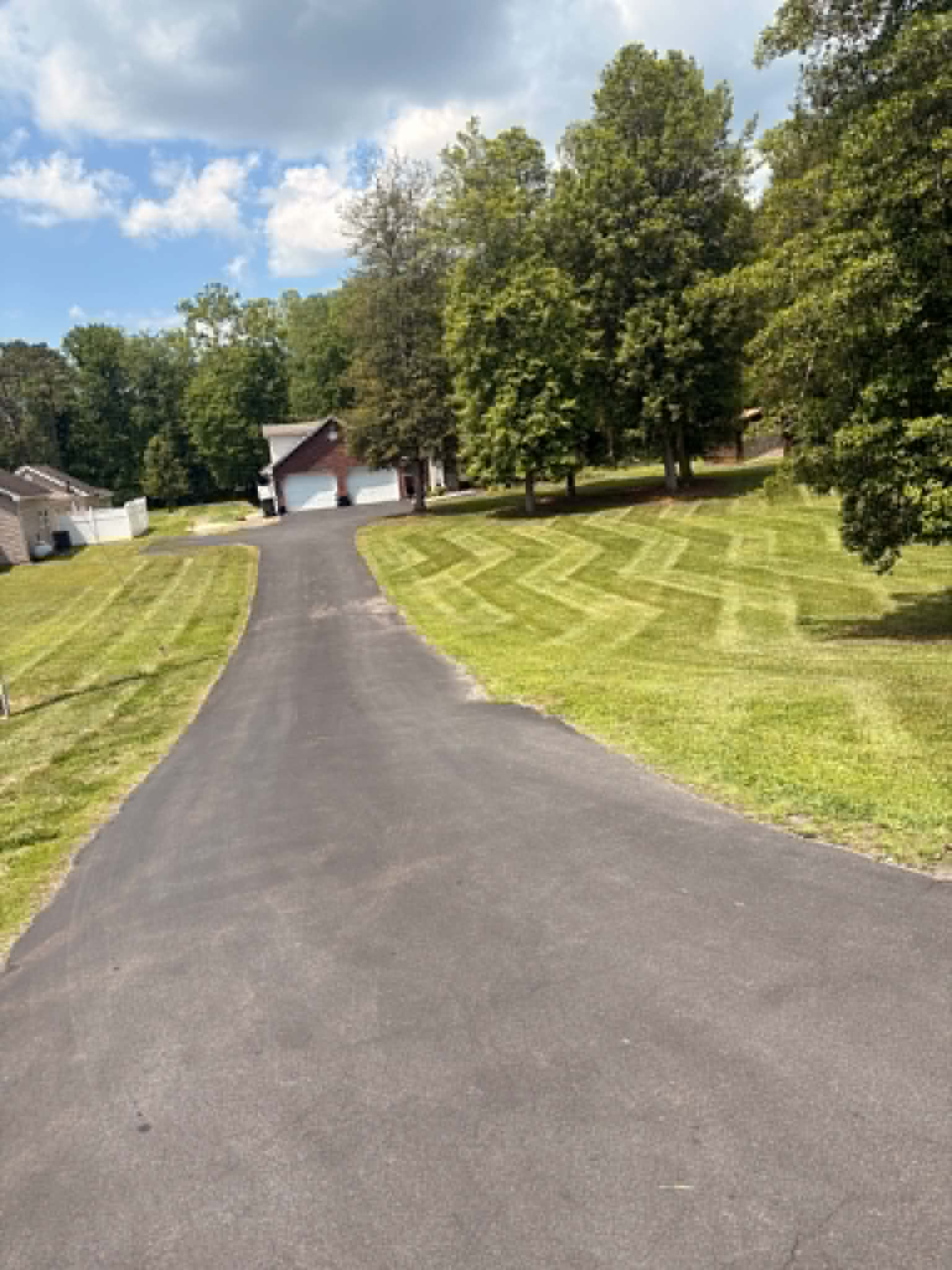
We confirm the lawn is ready for cores before the machine goes out.
Hard soil, thin patches, heavy thatch, and slope access all affect whether aeration is the right move now.
Fall is usually best for recovery. Spring can work when the lawn needs prep before growth or seeding.
Small soil plugs are pulled and left on the surface to break down naturally over the next few weeks.
Water lightly, keep traffic off the lawn for a few days, and consider seeding or maintenance if the turf needs more help.
Ready to get on the schedule? Call or text (423) 470-6017 for a straight answer on timing and price.
Aeration works best when soil is not baked dry and the lawn is not under heavy weed pressure. We look at compaction, thatch, and how the yard is used before recommending a pass.
If your address is near one of the towns below, send it over with a short note about thin turf, hard soil, or heavy foot traffic and we will confirm whether aeration fits the schedule. Call or text (423) 470-6017 and we will let you know.
Those are small cores pulled from the soil during aeration. They break down naturally in a week or two and return organic matter to the turf.
Fall is usually best in our area because the soil is still warm and summer stress has passed. Spring aeration can work ahead of seeding or regular mowing.
Yes. Aeration before grass seeding improves seed contact with soil, which is one of the biggest reasons seeding fails.
Most residential lawns benefit from aeration every one to three years, depending on soil type, traffic, and how compacted the yard feels.
Aeration does not kill weeds directly, but healthier, thicker turf is a better long-term defense. Problem weeds may still need weed control first.
Get started
Send your info and we will follow up by phone or email. Most requests get a same-day or next-business-day response.