Cause of thinning
We look for shade, traffic, pet damage, drought stress, or weed pressure before recommending seed.

Free quote
Tell us whether you have small bare spots, a thin shaded area, or a larger section that needs overseeding.
Call or text (423) 470-6017Repair the thin spots
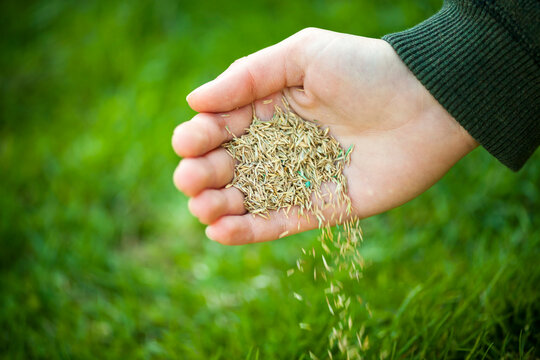
Seed tossed over hard dirt, thatch, or leaf litter usually disappears before it becomes grass. Good seeding starts with loosening the surface, improving seed-to-soil contact, and choosing a timing window that is not fighting heat or weeds.
My Buddy Lawn Care LLC helps with bare patches, thin shaded turf, and tired lawns that need overseeding. If weeds caused the thin area, we will call that out before seed goes down.
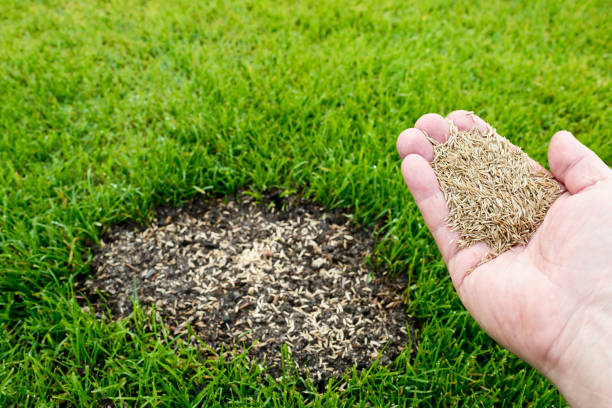
This service is about getting seed to germinate, not just spreading it.
We look for shade, traffic, pet damage, drought stress, or weed pressure before recommending seed.
Small patches are scratched open, cleaned, seeded, and covered where needed so seed is not sitting on dead material.
Larger thin areas get a more even seed pass to improve density without starting the entire lawn over.
We loosen compacted or crusted spots so seed can settle into soil instead of washing off the surface.
Fall is often the best window here, but spring can work when watering and weed pressure are managed.
New grass needs light watering, patience, and careful mowing. We explain when maintenance should resume.
Most failed seeding jobs come down to poor soil contact, not enough water, heavy shade, or mowing too soon. We would rather explain the risk up front than sell seed where it has no chance.
If bare areas sit beside planting beds, we can note that during the walkthrough. If weeds filled the open space first, weed control may need to come before repair.
The work is part prep, part timing, and part aftercare plan.
A bare dog path needs a different approach than a shaded slope or crabgrass patch.
You get a clear recommendation based on the size of the area and how thin the existing turf is.
The surface is opened up, seed is placed evenly, and cover is added where moisture or washout is a concern.
You will know how often to water, when to stay off the area, and when mowing can safely restart.
Ready to get on the schedule? Call or text (423) 470-6017 for a straight answer on timing and price.
Grass seeding is timing-sensitive, so route fit matters. We try to schedule seeding when the weather, watering plan, and follow-up care give the new grass a reasonable chance.
If your property is near one of the locations below, send the address and describe the bare or thin areas so we can decide whether patch repair or overseeding makes sense. Call or text (423) 470-6017 and we will let you know.
Early fall is usually best because the soil is warm, nights are cooler, and weed pressure is lower. Spring can work, but it needs more attention.
You may see germination in one to three weeks depending on seed type, water, and temperature. Full fill-in takes longer.
Very important. Seed needs consistent moisture early on. We give you a simple watering plan based on the area and exposure.
Once new grass is tall enough and rooted, mowing can resume carefully. On maintenance visits, we adjust height so young turf is not scalped.
Get started
Send your info and we will follow up by phone or email. Most requests get a same-day or next-business-day response.