Weed ID and pressure check
We separate broadleaf weeds, grassy weeds, and bed weeds so the plan matches the problem.

Free quote
Tell us what kind of weeds you are seeing, where they started, and whether the lawn is thin in those areas.
Call or text (423) 470-6017Find the source
A yard with weeds everywhere usually has more going on than a few stray dandelions. Thin turf, compacted soil, scalped mowing, and open bed edges all give weeds a place to move in.
My Buddy Lawn Care LLC looks for those patterns first. Then we target the active areas, clean up bed edges, and recommend mowing or seeding changes only when they actually help the lawn recover.
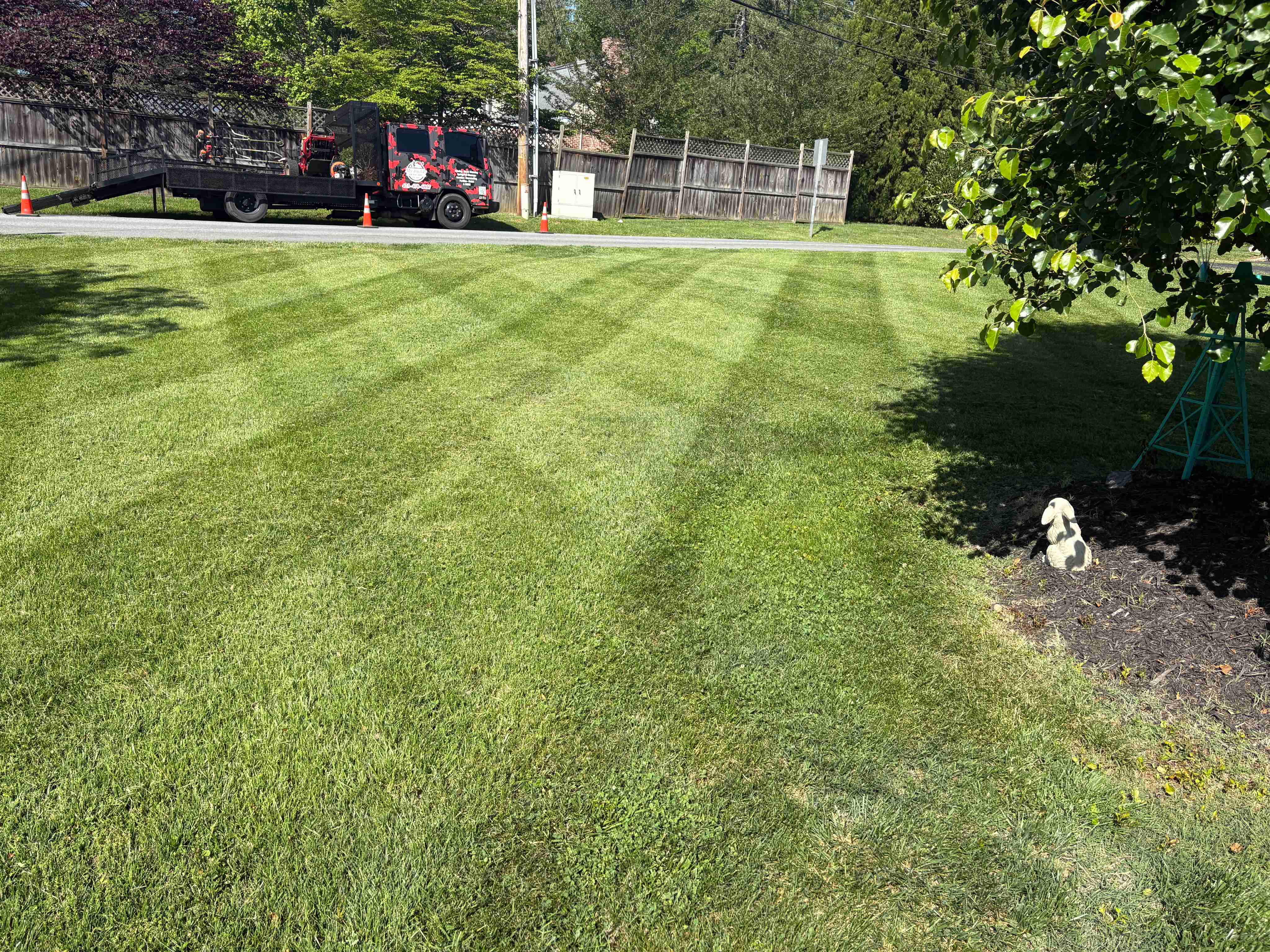
This service is built for visible weed pressure, not a one-size spray pass.
We separate broadleaf weeds, grassy weeds, and bed weeds so the plan matches the problem.
Driveway edges, thin back corners, and sunny patches get treated differently than healthy turf.
Weeds are pulled or treated around beds, fences, and hard edges before they seed into the lawn. Fresh mulch can help close those gaps back up.
Cut height, bare spots, and watering habits matter because thick grass is the best long-term weed barrier.
If you are already on a maintenance route, we can watch the same problem areas over time instead of starting over each visit.
Spring growth, summer stress, and fall cleanup all affect which weeds are worth treating now.
Weeds show up first where grass is stressed: hot curb strips, compacted paths, shaded soil under trees, and bed lines that have lost their edge. Treating the plant without improving the weak spot only buys a little time.
When the lawn is thin, we may recommend grass seeding. When weeds keep returning after every cut, lawn maintenance may be the better long-term fix.
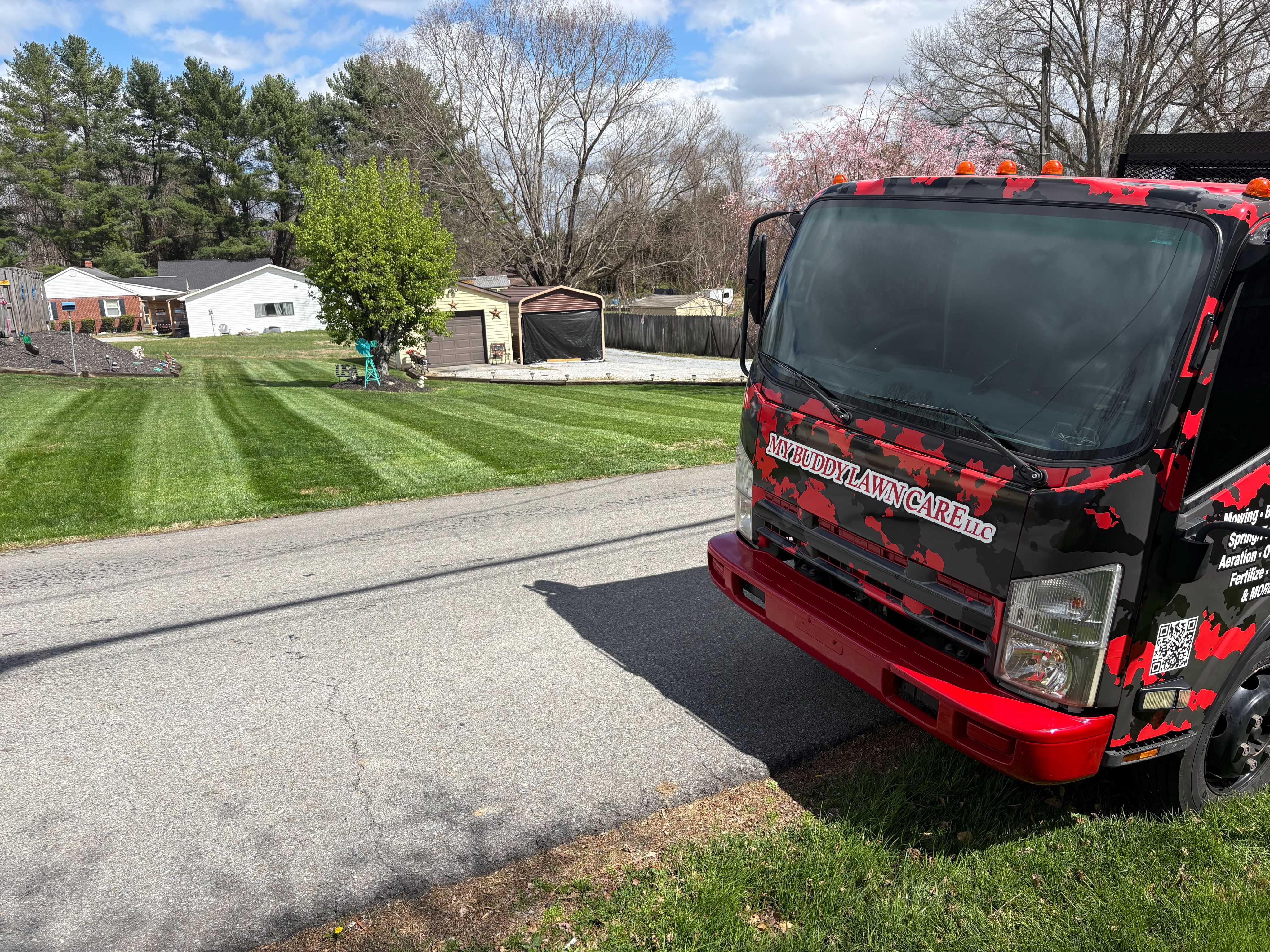
A practical process for deciding what to treat, what to clean up, and what to leave alone.
A few weeds in a corner are different from a spreading patch of crabgrass. We start with where the problem is moving.
You get a plain recommendation: what to treat now, what can wait, and whether seeding belongs in the recovery plan.
Treatment stays focused on the weeds and zones that matter so healthy grass is not treated like collateral damage.
Some weeds curl quickly, some take longer, and some need a second pass. We explain the timeline before we leave.
Ready to get on the schedule? Call or text (423) 470-6017 for a straight answer on timing and price.
Weed pressure changes from one yard to the next. Sunny curb strips, shaded backyards, and open bed edges all behave differently, so we look at the actual growing conditions before recommending treatment.
Use the service area list below as a guide. If your address is close to one of our routes, send it over and we will confirm whether weed control fits the schedule. Call or text (423) 470-6017 and we will let you know.
Not always. Many yards only need spot or zone work where weeds are active. We recommend broader treatment only when the pattern supports it.
Yes. Steady mowing helps turf stay thick. If you are on a maintenance route, we can keep an eye on repeat trouble spots.
Ask as soon as you notice weeds spreading. Spring and early summer are big for annual weeds, while fall can help with perennial problems and thin turf planning.
Yes. Bed edges and borders are common trouble spots. We can pull, treat, or combine both depending on the plants nearby.
Get started
Send your info and we will follow up by phone or email. Most requests get a same-day or next-business-day response.